
Understanding Why Learn Surfing: Waves and Wellness
Published on 20 September 2025 · 10 min read
Surfing is known for its sun-soaked beaches and thrilling wave rides, but it is much more than a summertime sport. Most people think of it as a fun way to splash around and maybe catch a tan. Still, surfing has roots that reach back centuries, especially in Hawaii, where it has been a spiritual ritual and social tradition since ancient times. Some communities used surfing as a way to resolve conflicts or express status, turning each wave into a symbol of respect and identity. Once you see how surfing shapes culture, health, and mindset, you might never look at the ocean the same way again.
Table of Contents
- What Is Surfing And Its Cultural Significance?
- Why Learning To Surf Matters For Personal Growth
- How Surfing Benefits Physical And Mental Health
- Key Concepts In Surfing: Techniques And Safety
- Connecting With The Surfing Community And Environment
Quick Summary
| Takeaway | Explanation |
|---|---|
| Surfing is a holistic practice for personal growth. | Engaging in surfing challenges individuals mentally and physically, fostering resilience and self-discovery through interaction with nature. |
| Surfing improves both mental and physical health. | The sport provides a full-body workout while promoting stress reduction, mood elevation, and mindfulness through its immersive nature. |
| Community fosters collaboration and environmental stewardship. | Surfing creates a supportive community where individuals share experiences and actively participate in ocean conservation efforts. |
| Mastering surfing techniques enhances safety and performance. | Understanding wave dynamics and basic surfing skills is essential for both effective riding and minimizing injury risk. |
| Surfing connects individuals across cultures. | The global surfing phenomenon transcends geographic boundaries, promoting cultural exchange and shared respect for ocean environments. |
What is Surfing and Its Cultural Significance?
Surfing represents far more than a mere water sport—it is a profound interaction between human skill, oceanic dynamics, and cultural heritage. At its core, surfing involves riding waves using a specialized board, transforming the raw power of moving water into an elegant dance of balance, momentum, and personal expression.
The Essence of Wave Riding
Surfing emerged as a practice deeply rooted in Polynesian culture, particularly in Hawaii, where it transcended recreational activity and became a spiritual and social ritual. According to Encyclopædia Britannica, the sport was not just about physical prowess but also symbolized community connection and respect for natural forces.
The fundamental mechanics of surfing involve several key elements:
- Selecting the right wave based on its shape, size, and breaking pattern
- Positioning the surfboard at the precise moment of wave formation
- Maintaining balance through core strength and nuanced body movements
- Reading ocean conditions and understanding wave dynamics
Cultural and Historical Significance
Surfing carries profound cultural significance that extends beyond athletic performance. In traditional Hawaiian society, surfing was more than entertainment—it was a complex social practice that reflected hierarchical structures, demonstrated personal skill, and served as a method of conflict resolution among different community groups.
Modern surfing has evolved from these traditional roots, transforming into a global phenomenon that connects individuals across diverse cultures. The sport represents a unique blend of athleticism, environmental awareness, and personal freedom, inviting practitioners to develop a deep, respectful relationship with oceanic environments.
Today, surfing continues to symbolize adventure, personal challenge, and a harmonious connection with nature’s most dynamic element: the ocean. Whether practiced professionally or as a casual recreational activity, surfing remains a powerful expression of human potential and natural interaction.
Why Learning to Surf Matters for Personal Growth
Learning to surf transcends physical activity—it represents a transformative journey of personal development, challenging individuals to grow mentally, emotionally, and physically through direct engagement with one of nature’s most dynamic environments.
Psychological Resilience and Self-Discovery
Research published in Frontiers in Psychology reveals surfing as a powerful mechanism for developing psychological resilience. The sport demands continuous adaptation, pushing practitioners beyond their comfort zones and teaching critical life skills through direct ocean experience.
Key psychological benefits of learning to surf include:
- Developing mental fortitude through confronting and overcoming challenging wave conditions
- Enhancing emotional regulation by managing fear and maintaining composure in unpredictable situations
- Building self-confidence through progressive skill mastery and personal achievements
Holistic Personal Development
Surfing offers a unique approach to personal growth by creating an immersive environment that simultaneously challenges physical capabilities and mental perspectives. Unlike structured indoor activities, surfing requires constant improvisation, reading environmental conditions, and making split-second decisions.
The sport compels individuals to:
- Cultivate mindfulness through deep engagement with natural rhythms
- Develop physical coordination and full-body strength
- Practice patience and persistence in skill acquisition
Beyond individual benefits, surfing creates opportunities for social connection, community engagement, and a profound respect for natural environments. It teaches practitioners that personal growth is not about conquering nature, but harmonizing with its complex, ever-changing dynamics.
Ultimately, learning to surf is less about mastering a sport and more about embarking on a continuous journey of self-improvement, where each wave represents a new opportunity for personal transformation and understanding.
How Surfing Benefits Physical and Mental Health
Surfing emerges as a holistic wellness practice that simultaneously addresses physical fitness and psychological well-being, offering a comprehensive approach to health that extends far beyond traditional exercise routines.
Physical Health Advantages
Research published in PubMed highlights surfing’s remarkable impact on physical capabilities. The sport provides a full-body workout that engages multiple muscle groups while challenging balance and coordination in unique ways.
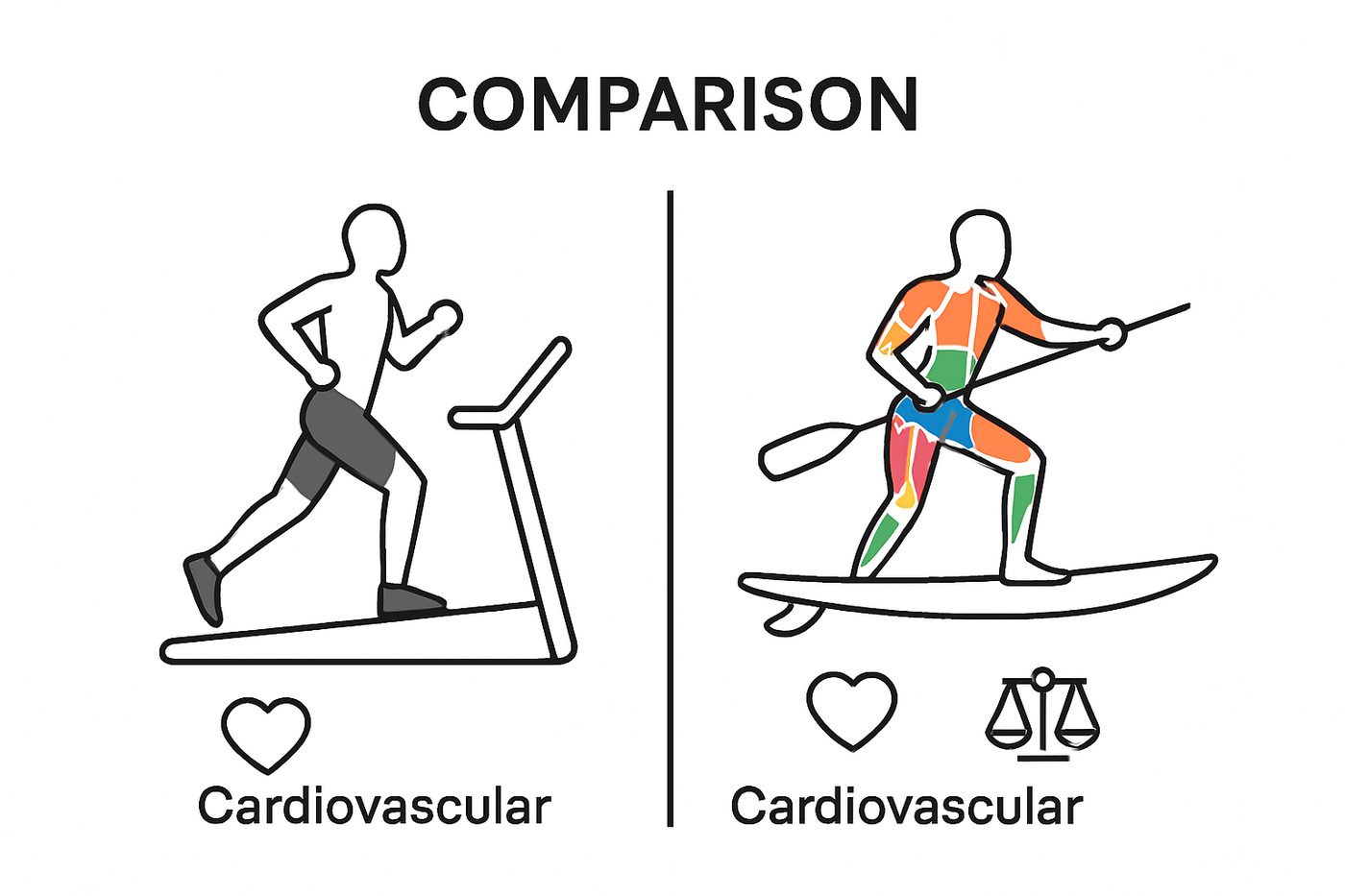
Key physical benefits of surfing include:
- Full-body muscle engagement targeting core strength, upper body, and lower body simultaneously
- Enhanced cardiovascular endurance through continuous paddling and wave riding
- Improved balance and flexibility by constantly adjusting to dynamic ocean conditions
- Natural resistance training using water’s inherent weight and movement
Mental Health and Psychological Wellness
Surfing transcends physical exercise, functioning as a powerful therapeutic intervention for mental health. The sport creates a unique environment that promotes mindfulness, stress reduction, and emotional regulation.
Mental health advantages encompass:
- Stress reduction through immersion in natural environments
- Mood elevation triggered by neurochemical responses during physical activity
- Increased self-confidence through progressive skill mastery
- Meditative experience created by rhythmic wave interactions
The combination of physical exertion, natural environment, and skill development makes surfing an extraordinary mechanism for holistic health improvement. By challenging practitioners physically and mentally, surfing offers a dynamic approach to wellness that traditional exercise methods cannot replicate.
Beyond individual benefits, surfing creates a profound connection between human potential and natural dynamics, transforming health practices into transformative life experiences.
The following table summarizes the key physical and mental health benefits of surfing as discussed in the article for easy comparison and reference.
| Benefit Type | Specific Advantages |
|---|---|
| Physical Health | Full-body muscle engagement, cardiovascular endurance, improved balance and flexibility, natural resistance training |
| Mental Health | Stress reduction, mood elevation, increased self-confidence, meditative experience |
Key Concepts in Surfing: Techniques and Safety
Surfing demands a sophisticated understanding of ocean dynamics, personal technique, and comprehensive safety protocols. Mastering these elements transforms surfing from a recreational activity into a nuanced interaction with one of nature’s most powerful environments.
Fundamental Surfing Techniques
Research examining surfing health and safety highlights the critical importance of developing core techniques that ensure both performance and personal protection. These techniques form the foundation of effective wave riding and injury prevention.
Key technical skills include:
- Paddling efficiency to navigate ocean currents and position correctly
- Precise board positioning during wave take-offs
- Body weight distribution for maintaining balance
- Reading wave patterns to select optimal riding opportunities
Ocean Safety and Risk Management
Understanding and respecting oceanic environments represents a paramount aspect of surfing. Safety extends beyond personal skill and requires comprehensive awareness of potential maritime hazards.
Critical safety considerations involve:
- Recognizing riptide and current patterns
- Understanding wave break characteristics
- Assessing personal skill levels against environmental conditions
- Utilizing appropriate safety equipment like leashes and flotation devices
Surfing technique is a dynamic blend of physical skill, environmental understanding, and personal intuition. Practitioners must continuously adapt their approach, recognizing that each wave presents a unique set of challenges and opportunities.
Beyond technical proficiency, successful surfing demands a profound respect for oceanic ecosystems, an understanding of personal limitations, and a commitment to ongoing learning and skill refinement.
This table outlines essential surfing techniques and safety precautions, helping beginners and enthusiasts focus on key practices for safe and effective surfing.
| Key Area | Fundamental Elements |
|---|---|
| Techniques | Paddling efficiency, precise board positioning, body weight distribution, reading wave patterns |
| Safety | Recognizing riptide and current patterns, understanding wave characteristics, assessing skill levels against conditions, using appropriate safety equipment |
| The journey of becoming a competent surfer is less about conquering waves and more about developing a harmonious relationship with the ocean’s complex, ever-changing nature. |

Connecting with the Surfing Community and Environment
Surfing transcends individual experience, representing a profound interconnection between practitioners, oceanic ecosystems, and global cultural networks. This multifaceted engagement extends far beyond physical recreation, creating deep social and environmental relationships.
Social Dynamics of Surfing
Research in Frontiers in Psychology reveals surfing as a powerful mechanism for social bonding and community formation. The sport creates unique spaces where individuals connect through shared experiences, mutual respect, and collective passion for ocean environments.
Key social characteristics of surfing communities include:
- Collaborative learning environments where experienced surfers mentor newcomers
- Shared environmental values promoting ocean conservation
- Inclusive cultural exchanges across geographical and demographic boundaries
- Supportive peer networks that extend beyond physical wave riding
Environmental Consciousness and Stewardship
Surfing inherently cultivates a deep, personal relationship with natural marine environments. Practitioners develop an intimate understanding of oceanic ecosystems, transforming from passive observers to active environmental advocates.
Environmental engagement manifests through:
- Direct observation of marine ecosystem changes
- Personal investment in ocean preservation efforts
- Sustainable lifestyle adaptations
- Community-driven conservation initiatives
The surfing community represents a global network united by shared experiences, mutual respect, and a commitment to understanding and protecting marine environments. This connection goes beyond recreational activity, forming a sophisticated cultural ecosystem that bridges individual experiences with collective environmental consciousness.
Ultimately, surfing offers more than athletic pursuit—it provides a transformative pathway to personal growth, social connection, and environmental stewardship.
Transform Your Surfing Journey in Tenerife with Ika Ika Surf School
Have you discovered the connection between catching your first wave and real personal growth? The article explained how surfing builds psychological resilience, boosts mental health, and strengthens your body through challenging, meaningful contact with nature. If you want to break through comfort zones, tap into ocean mindfulness, or experience the community of surfing, why let uncertainty or lack of access slow you down? At Ika Ika Surf School Tenerife, we make your surfing dreams realistic and accessible—no matter your current skill level.

Take your next step now. Join expert-led surf lessons designed for growth and confidence or rent top-quality equipment just steps from the waves. All the comforts and safety you need are here, from secure lockers to warm showers. Experience the wave riding, cultural connection, and personal transformation described in the article—start by visiting our main site to book your lesson or rental today. Get closer to your goals in the water and see how fast your life changes when you commit to surfing in Tenerife.
Frequently Asked Questions
What are the mental health benefits of learning to surf?
Learning to surf can enhance mental health by increasing resilience, reducing stress, and boosting self-confidence through skill mastery and progressive achievements.
How does surfing promote physical wellness?
Surfing provides a full-body workout that enhances cardiovascular endurance, improves balance and flexibility, and builds core strength, all while engaging multiple muscle groups.
What fundamental techniques should beginners focus on when learning to surf?
Beginners should focus on paddling efficiency, board positioning during take-offs, maintaining weight distribution for balance, and reading wave patterns to select optimal riding opportunities.
How can surfing foster a sense of community?
Surfing creates social bonds through collaborative learning, shared environmental values, and supportive networks among practitioners, promoting mutual respect and passion for ocean preservation.
Recommended
- Surfing down to the last detail | Ika Ika Surf School Tenerife
- Yoga and Surf: Brothers from different mothers | Ika Ika Surf School Tenerife
- Why Choose Surf Lessons in Tenerife: Understanding the Benefits | Ika Ika Surf School Tenerife
- 7 Types of Surf Lessons for Every Skill Level | Ika Ika Surf School Tenerife
🏄 See you in the water?
Book your lesson →