
7 Essential Tips for Surfing Holidays for Beginners
Published on 2 September 2025 · 13 min read
Planning your first surfing holiday feels exciting and a little bit intimidating. You might imagine wild waves and crowded beaches but the truth is beginner surfers can reduce learning risks by up to 80 percent just by picking the right location and season. Most beginners think the hardest part is learning to ride a wave yet the real difference comes from how you prepare before you ever touch the water.
Table of Contents
- Choose The Right Surf Destination
- Understand Surfing Basics And Terminology
- Select The Best Time Of Year To Surf
- Rent Or Buy The Proper Gear
- Take Lessons From A Qualified Instructor
- Learn Safety Tips And Ocean Awareness
- Plan Your Surfing Schedule And Other Activities
Quick Summary
| Takeaway | Explanation |
|---|---|
| Choose beginner-friendly surf locations | Look for consistent waves, professional instructors, and safe conditions to enhance your learning. |
| Invest in professional surf lessons | Qualified instructors ensure safe, structured learning, helping you develop essential skills quickly. |
| Understand surfing terminology | Familiarity with key terms improves communication and overall comprehension of surfing techniques and safety. |
| Plan your surfing schedule wisely | Alternate between surf sessions and rest, allowing for recovery and maintaining energy throughout your holiday. |
| Prioritize ocean safety awareness | Recognize potential hazards, learn to identify rip currents, and always assess environmental conditions before surfing. |
1: Choose the Right Surf Destination
Starting your surfing holiday requires selecting the perfect destination that matches your skill level and learning goals. According to research from ResearchGate, beginner surfers must prioritize locations with gentle waves, professional instruction, and safe conditions.
Choosing an ideal surf destination involves several critical considerations. You want a location that provides consistent and forgiving waves, offers professional surf instruction, and ensures your safety throughout the learning process. Some key factors to evaluate include:
- Wave characteristics suitable for beginners
- Presence of professional surf schools
- Water temperature and climate conditions
- Accessibility and local infrastructure
For novice surfers, sandy-bottom beaches with moderate wave heights between 1-3 feet represent the perfect training ground. These environments allow you to build confidence without overwhelming technical challenges. Places like Tenerife offer exceptional conditions for beginners, with multiple protected bays and predictable wave patterns that support skill development.
Additionally, consider destinations that provide comprehensive learning environments. Look for locations with:
- Qualified surf instructors
- Equipment rental options
- Safe beach areas
- Proximity to necessary amenities
Professional guidance can transform your surfing experience from intimidating to enjoyable. Learn more about our personalized surf lessons designed specifically for beginners who want structured, supportive learning experiences.
Remember that your first surf destination sets the foundation for your entire surfing journey. Selecting the right location means balancing safety, learning opportunities, and enjoyment to ensure a positive and memorable experience.
2: Understand Surfing Basics and Terminology
Before hitting the waves, understanding basic surfing terminology and fundamental concepts will help you navigate your learning journey more confidently. According to NOAA’s ocean safety guidelines, knowing proper ocean terminology can significantly enhance your safety and comprehension.
Surfing involves a unique language that might seem overwhelming at first. Core surfing terminology helps you communicate effectively with instructors and fellow surfers. Key terms you should familiarize yourself with include:
- Lineup: The area where waves break and surfers wait to catch waves
- Duck dive: A technique to push your surfboard underwater when paddling through incoming waves
- Takeoff: The moment you transition from paddling to standing on the wave
- Wipeout: Falling off your surfboard during a wave ride
Surfboard understanding is equally crucial for beginners. Different board types suit various skill levels and wave conditions. Check out our comprehensive surfing guide to explore board characteristics in depth.
Understanding wave dynamics helps you predict and read ocean conditions. Pay attention to:
- Wave direction
- Wave height
- Wave break type (beach break, reef break, point break)
- Ocean currents
Knowledge of ocean safety is paramount. Learn to recognize potential hazards like rip currents, understand wave patterns, and always prioritize your personal safety. Professional surf instructors can provide hands-on guidance in interpreting these complex marine environments.
Remember, surfing is a skill that combines physical technique with mental understanding. By investing time in learning terminology and basic concepts, you’ll build confidence and set a strong foundation for your surfing adventure.
3: Select the Best Time of Year to Surf
Choosing the right time for your surfing holiday can dramatically impact your learning experience and overall enjoyment. According to global surfing research, seasonal variations significantly influence wave conditions and surfing opportunities.
Seasonal wave patterns play a crucial role in determining the optimal time for a surfing holiday. Different destinations offer unique surfing experiences throughout the year. Beginners should focus on locations and periods with consistent, moderate wave conditions.
Key factors to consider when selecting your surf timing include:
- Water temperature
- Wave consistency
- Local weather patterns
- Tourist season crowd levels
For destinations like Tenerife, the winter months (November through March) offer exceptional surfing conditions for beginners. These months provide:
- Mild water temperatures
- More predictable wave patterns
- Less crowded beaches
- Ideal learning environments
Explore our detailed surf season guide to understand precise timing for optimal surfing experiences. Professional surf schools can provide localized insights into the best periods for learning.
Beyond wave conditions, consider practical aspects like accommodation availability, local events, and personal schedule. Summer months might seem attractive, but they often bring more crowded beaches and less consistent waves for beginners.
Pro tip: Research local surf forecasts and consult with professional instructors who understand the nuanced seasonal variations. Their expertise can help you plan the perfect surfing holiday that matches your skill level and learning objectives.
Remember, the right timing can transform your surfing experience from challenging to truly enjoyable. Careful planning ensures you maximize your learning potential and create lasting memories on the waves.
4: Rent or Buy the Proper Gear
Navigating the world of surfing equipment can be overwhelming for beginners. Choosing the right gear is crucial for comfort, safety, and learning effectiveness. For most beginners, renting equipment offers the most practical and cost-effective approach to starting your surfing journey.
Essential surfing gear includes several key items that will impact your learning experience:
- Surfboard
- Wetsuit
- Surf wax
- Leash
- Sunscreen
As a beginner, selecting the right surfboard is particularly critical. Longer, wider boards provide more stability and make learning easier. Foam boards or soft-top surfboards are ideal for novices, offering:
- Greater buoyancy
- More stability
- Softer landing during falls
- Easier paddling
Explore our equipment rental options to find the perfect gear for your skill level. Professional surf schools often provide comprehensive rental packages tailored to beginners.
Wetsuit selection depends on water temperature and personal comfort. In destinations like Tenerife, a 3/2mm wetsuit typically provides adequate protection during most seasons. Consider factors like:
- Water temperature
- Season
- Personal cold sensitivity
- Planned surfing duration
Renting allows you to experiment with different equipment without significant financial investment. Most surf schools offer high-quality rental gear maintained to professional standards. This approach lets you test various board types and find what works best for your learning style.
Pro tip: Always inspect rental equipment before use. Check for any damage, ensure proper fit, and ask instructors for guidance on selecting the most suitable gear for your skill level and body type.
Remember, the right equipment can make a tremendous difference in your surfing experience. Prioritize comfort, safety, and professional advice when selecting your gear.
5: Take Lessons from a Qualified Instructor
Taking lessons from a qualified surf instructor is the most effective way to accelerate your learning and ensure safety during your surfing holiday. Professional instruction transforms the challenging process of learning to surf into an enjoyable and structured experience.
Why professional instruction matters becomes clear when you understand the complexity of surfing. Qualified instructors provide:
- Personalized technique correction
- Safety guidance
- Equipment recommendations
- Confidence-building strategies
Qualified instructors bring critical technical expertise that goes beyond basic wave riding. They help you understand:
- Proper body positioning
- Paddling techniques
- Wave selection skills
- Ocean safety protocols
Discover our personalized surf lesson options designed to meet individual learning needs. One-on-one instruction offers the most comprehensive learning experience for beginners.
Choosing the right instructor involves considering several key factors:
- Professional certifications
- Teaching experience
- Communication skills
- Understanding of beginner psychology
Group lessons can be an excellent alternative for those seeking a more social learning environment. They typically offer lower costs while still providing professional guidance. However, individual attention might be limited compared to private lessons.
Professional instructors also help you develop mental strategies crucial for surfing success. They teach you how to read waves, understand ocean conditions, and build the confidence necessary to progress quickly.
Remember that investing in quality instruction is investing in your surfing journey. A skilled instructor can help you avoid common mistakes, reduce learning time, and create a safe, enjoyable experience on the waves.
6: Learn Safety Tips and Ocean Awareness
Ocean safety is paramount for any surfing holiday, especially for beginners who are still developing their skills and understanding of marine environments. According to Hawaii Ocean Safety guidelines, understanding potential risks and implementing proactive safety measures can significantly reduce accidents.
Ocean awareness involves more than just knowing how to swim. It requires a comprehensive understanding of marine dynamics, potential hazards, and personal limitations. Critical safety skills include:
- Reading wave patterns
- Identifying potential rip currents
- Understanding local beach conditions
- Recognizing personal skill boundaries
Before entering the water, always assess the environment. Pay attention to:
- Lifeguard presence
- Warning flags
- Weather conditions
- Wave height and frequency
Learn more about our comprehensive safety training designed to help beginners navigate ocean challenges confidently.
Rip current awareness is particularly crucial. These powerful, narrow channels of water can quickly pull swimmers away from the shore. Know how to:
- Recognize rip current signs
- Avoid panicking if caught in one
- Swim parallel to the shore to escape
- Signal for help if needed
Additional safety recommendations include always surfing with a buddy, using appropriate safety gear, and maintaining physical fitness. Communication with local lifeguards and instructors can provide real-time insights into current ocean conditions.
Remember, ocean respect means understanding that the marine environment is dynamic and unpredictable. Your safety depends on knowledge, preparation, and humble acknowledgment of nature’s power.
7: Plan Your Surfing Schedule and Other Activities
Designing a balanced surfing holiday requires strategic planning that maximizes learning opportunities while preventing burnout. According to NOAA’s beach planning guidelines, understanding environmental conditions and personal limits is crucial for an enjoyable experience.
Structuring your surfing schedule involves creating a realistic approach that allows for skill development and recovery. Beginners should consider:
- Alternating intense surf sessions with rest periods
- Scheduling lessons during optimal wave conditions
- Planning shorter initial practice times
- Allowing flexibility for unexpected weather changes
Daily activity balance is critical for maintaining energy and motivation. A recommended approach includes:
- Morning surf lessons
- Midday rest and skill review
- Afternoon leisure activities
- Evening relaxation and muscle recovery
Explore our comprehensive surf camp packages designed to provide structured learning experiences with built-in recovery time.
Physical preparation between surf sessions can enhance your overall performance. Consider complementary activities like:
-
Yoga or stretching
-
Swimming
-
Beach walks
-
Light strength training
Pro tip: Listen to your body. Surfing uses muscle groups you might not typically engage, so proper rest and hydration are essential. Avoid overexerting yourself, especially during the first few days of your surfing holiday.
Remember that a well-planned schedule transforms your surfing holiday from a potentially exhausting experience into an enjoyable, progressive learning journey. Flexibility, self-awareness, and strategic planning are your greatest assets in becoming a confident surfer.
The table below provides a comprehensive summary of the seven essential tips for planning a successful and enjoyable surfing holiday as a beginner, as discussed throughout the article.
| Tip | Key Actions & Considerations | Benefits for Beginners |
|---|---|---|
| Choose the Right Surf Destination | Select locations with gentle, consistent waves, sandy bottoms, qualified instructors, and good amenities. | Ensures a safe, supportive environment that accelerates learning and builds confidence. |
| Understand Surfing Basics & Terminology | Learn key surfing terms, board types, wave dynamics, and ocean safety fundamentals before hitting the water. | Improves comprehension, communication with instructors, and ability to recognize hazards. |
| Select the Best Time of Year to Surf | Plan trips during seasons with moderate waves, mild water temperatures, and fewer crowds (e.g., winter for Tenerife). | Maximizes wave quality, learning opportunities, safety, and overall enjoyment. |
| Rent or Buy the Proper Gear | Opt for longer, wider soft-top surfboards, appropriate wetsuits, quality rental gear, and always check fit and condition. | Enhances comfort, safety, and skill development while keeping costs reasonable; allows experimenting to find the best fit. |
| Take Lessons from Qualified Instructors | Invest in professional lessons (private or group) for personalized technique guidance, safety instruction, and rapid improvement. | Reduces learning time, builds safety awareness, boosts confidence, and fosters quicker progression for novices. |
| Learn Safety Tips & Ocean Awareness | Understand rip currents, wave patterns, lifeguard signals, beach conditions, and always surf within personal skill and physical limits. | Minimizes risks, prevents accidents, and builds respect for ocean dynamics, essential for long-term surfing success. |
| Plan Your Surfing Schedule & Activities | Alternate surf sessions with rest and complementary activities; structure days for optimal recovery and adapt plans as needed. | Prevents burnout, maintains motivation, supports physical recovery, and promotes a lasting, positive experience during the surf holiday. |
Turn Beginner Surfing Tips into Lifelong Memories with Ika Ika Surf School
Planning your first surfing holiday is full of excitement, but it comes with real challenges. Finding the right place to learn and making sure you get safe instruction and beginner-friendly waves matters. The article shared how essential it is to pick gentle breaks, work with qualified instructors, and use the right gear. Many beginners feel nervous about ocean safety or choosing the right equipment. Ika Ika Surf School Tenerife solves these issues in a way that transforms your learning experience from uncertain to unforgettable.
Get a taste of what learning in paradise looks like at our main site. We are located just steps from perfect beginner waves in Playa de las Américas and offer lessons tailored for first-timers. Our team of certified instructors creates a safe, welcoming environment and helps you master everything from basic terminology to advanced ocean awareness. Use our surf lessons page to book private or group sessions, and check out our equipment rental options if you want reliable gear for your trip.
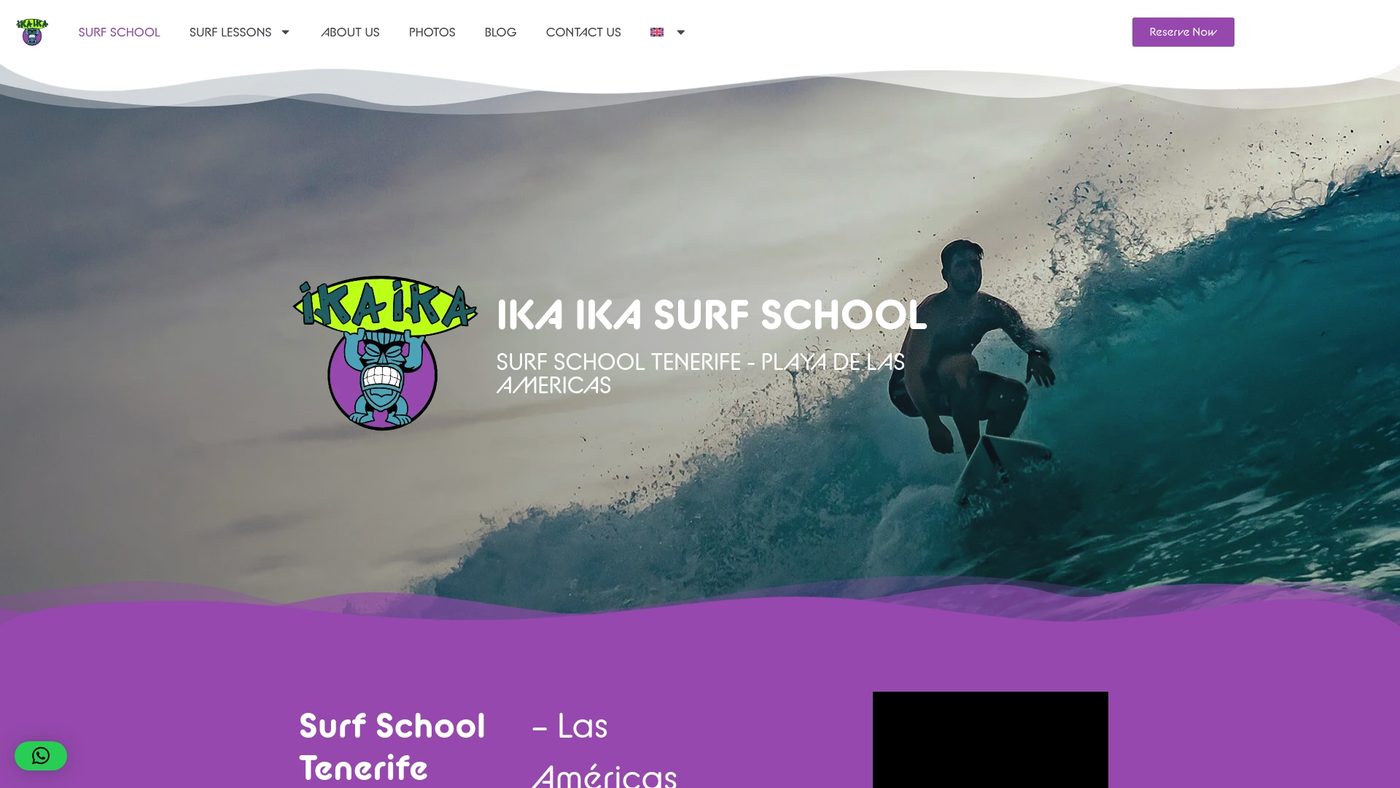
Ready to make real progress on your surf journey? Visit Ika Ika Surf School Tenerife today and secure your spot before high season fills up. Start with the right lessons, the right location, and the right community behind you. Take action now—your best surfing memory starts here.
Frequently Asked Questions
What should I consider when choosing a surf destination as a beginner?
When selecting a surf destination, look for locations with gentle waves, safety, professional instruction, and suitable weather conditions. Ensure the area has beginner-friendly waves and accessible surf schools.
How can I understand basic surfing terminology?
Familiarizing yourself with core surfing terms like ‘lineup’, ‘duck dive’, and ‘wipeout’ will help you communicate effectively with instructors and fellow surfers. Consider exploring online resources or taking introductory lessons that focus on terminology.
What is the best time of year for beginner surfers to go surfing?
The best time for beginner surfers to visit locations like Tenerife is during the winter months (November to March), when the waves are more predictable, temperatures are mild, and beaches are less crowded, making it ideal for learning.
What essential gear do I need for my first surfing holiday?
Essential gear includes a surfboard, wetsuit, surf wax, leash, and sunscreen. Beginners should opt for longer, wider boards for stability, and it’s often recommended to rent equipment initially to find the best fit for your needs.
Recommended
🏄 See you in the water?
Book your lesson →