
Understanding What is a Beginner Surf Class
Published on 9 September 2025 · 11 min read
Beginner surf classes promise more than just instruction on how to catch your first wave. These sessions are carefully designed to transform absolute newcomers into confident surfers through step-by-step guidance and practice. Here is something most people miss. Surfing engages nearly every major muscle group, making it one of the most effective full-body workouts you can find. While most come for the thrill of riding waves, what really sets these classes apart is how they prepare you for every aspect of the ocean—from understanding its unpredictable moods to building true mental resilience.
Table of Contents
- Defining A Beginner Surf Class: Essentials Explained
- The Importance Of Starting Slowly In Surfing
- How Beginner Surf Classes Prepare You For The Ocean
- Key Concepts And Techniques Taught In Beginner Classes
- Real-World Benefits Of Taking A Beginner Surf Class
Quick Summary
| Takeaway | Explanation |
|---|---|
| Beginner surf classes teach essential skills | Participants learn wave dynamics, paddling, safety protocols, and surfing etiquette. These foundational skills are critical for a safe surfing experience. |
| Gradual skill development is vital | Progression in skills helps build confidence, body awareness, and muscle memory, allowing for smoother learning while reducing risks of injury. |
| Understanding ocean dynamics is crucial | Courses cover tide cycles, current patterns, and wave behavior, teaching students how these factors influence surf conditions and safety. |
| Physical fitness enhances overall well-being | Surfing is a full-body workout that improves cardiovascular health, strength, flexibility, and balance, promoting effective exercise beyond traditional routines. |
| Mental resilience develops through surfing | Learning to surf fosters patience, problem-solving skills, and self-confidence, which positively affect personal and professional aspects of life. |
Defining a Beginner Surf Class: Essentials Explained
A beginner surf class represents a structured learning experience designed to introduce newcomers to the fundamental skills and techniques of surfing. These classes are professionally crafted educational sessions that transform individuals with zero surfing knowledge into confident wave riders through systematic instruction and hands-on practice.
What Exactly is a Beginner Surf Class?
A beginner surf class is a comprehensive introductory program that covers multiple critical aspects of surfing. These classes typically combine theoretical knowledge with practical training, ensuring students understand both the technical and safety components of the sport. Participants learn essential skills such as:
- Understanding wave dynamics and ocean conditions
- Proper surfboard handling and paddling techniques
- Fundamental stance and balance principles
- Basic safety protocols and ocean awareness
- Surf etiquette and environmental respect
According to World Surf League, these classes are meticulously designed to create a supportive learning environment where participants can progressively build confidence and competence in surfing.
Core Components of Professional Surf Instruction
Professional beginner surf classes are not simply about teaching physical techniques but creating a holistic learning experience. Certified instructors focus on breaking down complex movements into manageable steps, ensuring students feel comfortable and motivated throughout their learning journey.
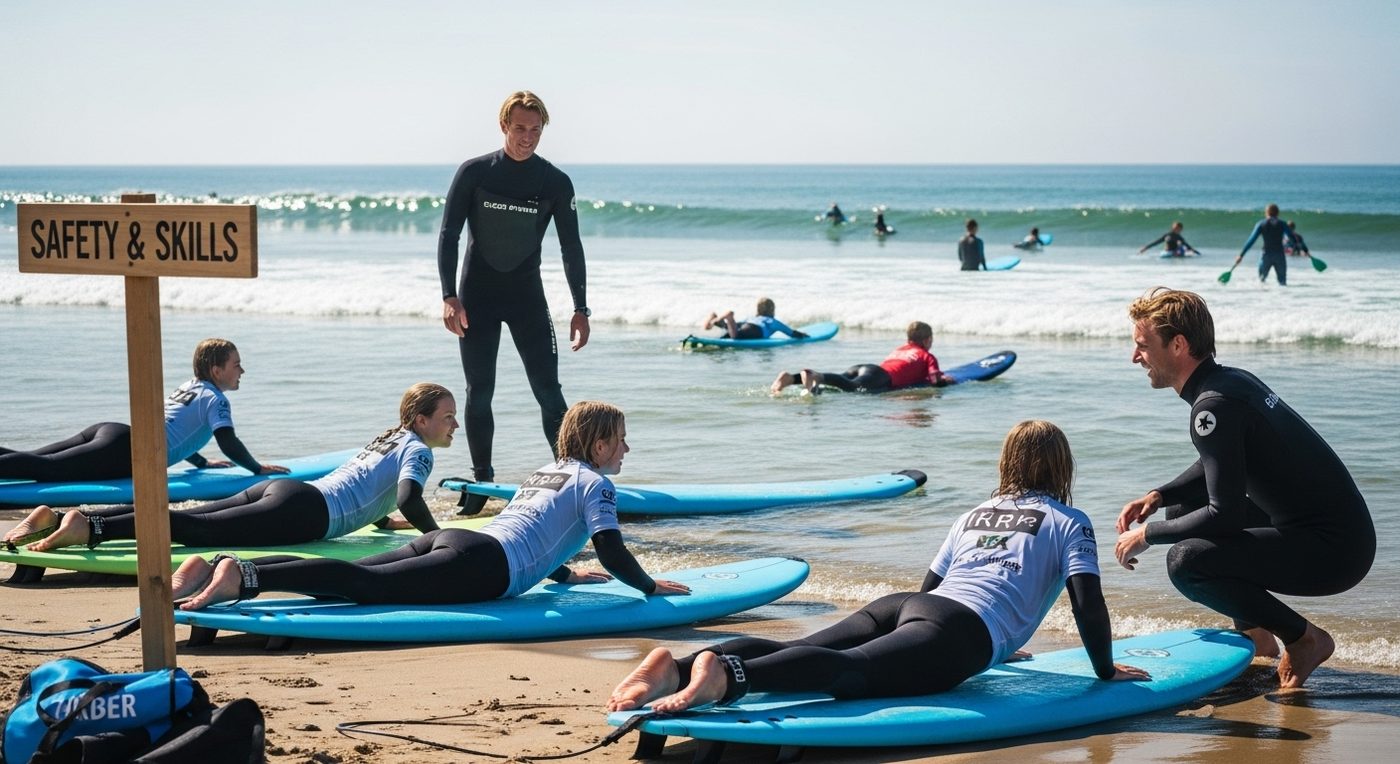
The instruction typically involves a combination of land-based training and in-water practice. On land, students learn about equipment, safety procedures, and fundamental techniques. In the water, instructors provide direct guidance, helping students apply theoretical knowledge in real wave conditions. This approach ensures a comprehensive and safe introduction to surfing.
Instructors also emphasize understanding ocean dynamics, reading wave patterns, and developing situational awareness. By integrating technical skills with environmental understanding, beginner surf classes transform novices into informed and responsible surfers who appreciate both the sport’s excitement and its inherent challenges.
The following table summarizes the core components of a professional surf instruction program to give you a clear view of what you can expect as a beginner.
| Component | Description |
|---|---|
| Land-based Training | Learning about surfboard equipment, safety procedures, and basic surfing techniques. |
| In-water Practice | Practicing paddling, wave catching, and actual surfing with instructor guidance. |
| Technical Skill Breakdown | Instructors divide complex movements into manageable steps for easier learning. |
| Ocean Awareness | Understanding wave patterns, ocean dynamics, and situational awareness. |
| Safety Protocols | Following safety rules, learning rip current response, and using appropriate gear. |
| Surf Etiquette and Environmental Respect | Observing proper behavior in the water and respecting the coastal ecosystem. |
The Importance of Starting Slowly in Surfing
Surfing is a challenging sport that demands patience, skill progression, and strategic learning. Starting slowly is not just a recommendation but a critical approach to developing sustainable surfing abilities while minimizing potential risks and injuries.
Understanding Gradual Skill Development
Beginners often underestimate the complexity of surfing, mistakenly believing they can quickly master the sport. However, successful surfing requires a methodical approach that prioritizes technique, body awareness, and incremental skill building. Slow progression allows surfers to develop muscle memory, understand wave dynamics, and build confidence through controlled experiences.
Key aspects of gradual skill development include:
- Mastering fundamental techniques before attempting advanced maneuvers
- Building core strength and balance through consistent practice
- Learning to read ocean conditions and understand wave patterns
- Developing situational awareness and safety protocols
- Gradually increasing difficulty levels as skills improve
According to PubMed research, progressive skill development reduces exercise intensity and improves overall performance by allowing surfers to efficiently adapt to changing wave conditions.
Physical and Mental Safety Considerations
Starting slowly in surfing is fundamentally about protecting both physical and mental well-being. The ocean is an unpredictable environment that requires respect, understanding, and careful navigation. Rushing into advanced techniques without proper foundation can lead to frustration, potential injuries, and decreased motivation.
Physical safety involves understanding personal limits, practicing proper techniques, and gradually building strength and endurance. Mental safety encompasses developing confidence through controlled experiences, reducing anxiety, and creating a positive relationship with the sport. By approaching surfing with patience and structured learning, individuals can transform initial challenges into long-term enjoyment and skill mastery.
How Beginner Surf Classes Prepare You for the Ocean
Beginner surf classes are comprehensive training programs specifically designed to transform novice surfers into confident and competent ocean enthusiasts. These structured educational experiences go far beyond simple wave riding techniques, preparing participants for the complex and dynamic marine environment.
Understanding Ocean Environment Fundamentals
Professional surf classes provide critical knowledge about ocean dynamics that cannot be learned through independent practice. Participants gain scientific insights into wave formation, current patterns, and environmental interactions, which are essential for safe and effective surfing. Learning these foundational concepts helps students develop a deeper respect and understanding of marine ecosystems.
Key ocean environment fundamentals include:
- Recognizing different types of ocean waves and their behavior
- Understanding tide cycles and their impact on surfing conditions
- Identifying potential hazards and dangerous marine environments
- Learning about coastal geography and underwater topography
- Comprehending wind and weather influences on wave conditions
According to National Geographic, comprehensive surf education focuses on environmental stewardship and practical ocean knowledge.
Safety and Skill Integration
Beginner surf classes meticulously integrate safety protocols with skill development. Instructors create controlled learning environments that progressively challenge students while maintaining strict safety standards. This approach ensures participants build confidence through structured experiences, learning how to read ocean conditions, manage potential risks, and respond effectively to changing marine environments.
The training combines theoretical instruction with practical application, teaching students not just how to surf, but how to become responsible, aware, and skilled ocean participants. By emphasizing both technical skills and environmental understanding, these classes transform novices into competent surfers who can navigate complex marine landscapes with knowledge and respect.
Key Concepts and Techniques Taught in Beginner Classes
Beginner surf classes are meticulously structured learning experiences that introduce participants to a comprehensive range of surfing knowledge, blending theoretical understanding with practical skill development. These classes transform complex surfing techniques into digestible, progressive learning modules designed for newcomers.
Fundamental Equipment and Safety Knowledge
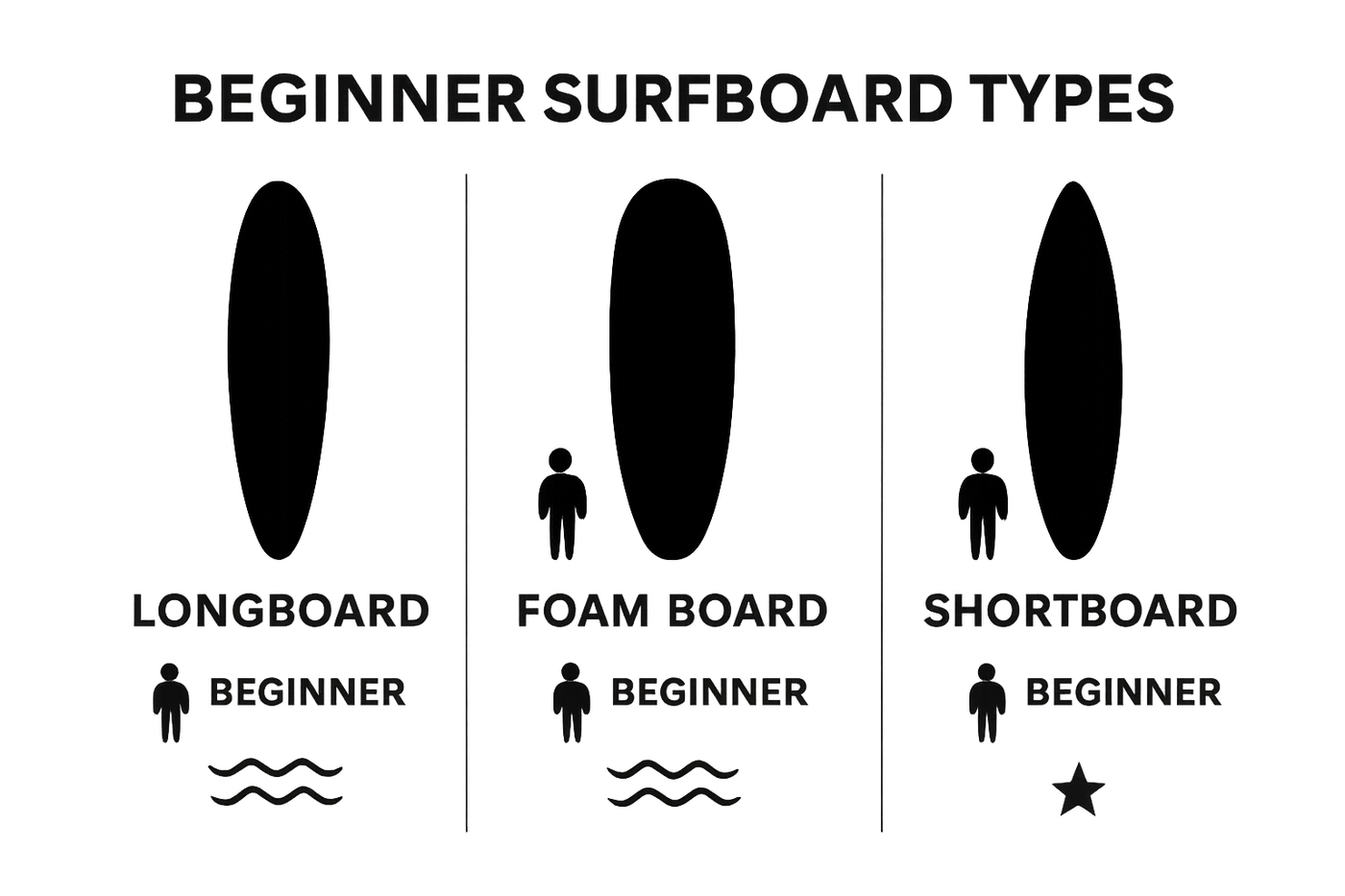
Understanding surfing equipment is the critical first step in any beginner surf class. Participants learn about different surfboard types, their specific characteristics, and appropriate selection based on skill level and ocean conditions. Instructors emphasize the importance of proper equipment maintenance, fit, and personal safety gear.
Key equipment and safety concepts include:
- Identifying surfboard types and their specific uses
- Understanding wetsuit selection and proper sizing
- Learning about safety equipment like leashes and impact vests
- Recognizing personal physical limitations
- Comprehending basic ocean rescue techniques
According to Hong Kong Surf and Standup Paddle Association, comprehensive equipment education forms the foundation of safe surfing practice.
Core Surfing Techniques and Body Mechanics
Beginner surf classes delve deep into the technical aspects of wave riding, focusing on body positioning, balance, and movement mechanics. Instructors break down complex movements into manageable, step-by-step progressions that help students develop muscle memory and confidence. Students learn critical techniques such as paddling efficiency, proper takeoff positioning, and fundamental wave-catching strategies.
These classes transform theoretical knowledge into practical skills by providing controlled environments where participants can practice and refine their techniques. By emphasizing gradual skill development and providing immediate, constructive feedback, instructors help students build a solid foundation for their surfing journey.
Real-World Benefits of Taking a Beginner Surf Class
Beginner surf classes offer far more than just technical instruction in wave riding. These transformative experiences provide comprehensive personal development opportunities that extend well beyond traditional sports training, impacting physical health, mental well-being, and personal growth.
Physical Fitness and Health Advantages
Surfing represents a holistic full-body workout that engages multiple muscle groups simultaneously, creating an exceptional form of exercise that surpasses traditional gym training. Participants develop core strength, cardiovascular endurance, balance, and flexibility through structured learning experiences. The dynamic ocean environment challenges students physically, promoting muscle development and overall fitness in ways conventional exercise routines cannot replicate.
Key physical benefits include:
- Enhanced cardiovascular conditioning
- Improved muscular strength and endurance
- Development of complex motor skills
- Increased overall body coordination
- Natural stress reduction through physical activity
Psychological and Personal Development Impact
Surf classes deliver profound psychological benefits that transcend physical training. Learning to surf requires mental resilience, patience, and courage, qualities that translate directly into personal and professional life contexts. Students develop problem-solving skills, emotional regulation, and increased self-confidence through progressive skill acquisition.
According to Journal of Exercise, Sports & Orthopedics, even short surfing sessions can significantly improve psychological states, reducing negative emotions and increasing positive affect. The combination of physical challenge, environmental immersion, and structured learning creates a powerful personal transformation platform that extends far beyond traditional sports instruction.
This table outlines the key physical and psychological benefits you can expect from taking a beginner surf class, reflecting how training impacts both body and mind.
| Benefit Category | Key Advantages |
|---|---|
| Physical Fitness | Enhanced cardiovascular health, increased strength, better flexibility, improved balance, and overall body coordination. |
| Skill Development | Gradual learning, improved muscle memory, balance, ocean awareness, and motor skills. |
| Stress Reduction | Natural relief from stress through active immersion in the ocean. |
| Mental Resilience | Builds patience, confidence, problem-solving skills, and emotional regulation. |
| Personal Growth | Fosters courage, self-confidence, and positive attitude toward overcoming challenges. |
Ready to Experience a True Beginner Surf Class in Tenerife?
You just discovered how a structured, beginner surf class is the safest and smartest way to start mastering surfing—from understanding wave dynamics to building confidence in the ocean. Are you worried about feeling overwhelmed by complicated techniques or wish you had hands-on coaching to guide every move? Ika Ika Surf School Tenerife turns those worries into progress. Here, our certified instructors break down every skill so you learn step by step and never feel lost in the water. Our location is just 50 meters from the waves, letting you apply each lesson right where you need it most.
Start with a beginner surf class at Ika Ika Surf School Tenerife. Discover group and private surf lessons designed for absolute beginners and enjoy access to lockers, showers, rental gear, and a welcoming lounge as soon as you arrive. Our easy booking options mean you can secure your spot right now and step into the water with confidence. Are you ready for your best surf experience yet? Visit Ika Ika Surf School Tenerife and book your first lesson today before spaces fill up for the season.
Frequently Asked Questions
What is a beginner surf class?
A beginner surf class is a structured program designed to teach newcomers the fundamental skills and techniques of surfing, combining theoretical knowledge with practical hands-on practice.
What can I expect to learn in a beginner surf class?
Participants can expect to learn about wave dynamics, surfboard handling, paddling techniques, safety protocols, balance principles, and surf etiquette.
Why is gradual skill development important in surfing?
Gradual skill development is crucial as it allows beginners to master fundamental techniques, build strength and balance, and develop confidence while minimizing the risk of injuries.
How do beginner surf classes prepare you for the ocean?
Beginner surf classes equip students with essential knowledge about ocean dynamics, safety protocols, and practical skills needed to navigate the ocean environment effectively.
🏄 See you in the water?
Book your lesson →