
What is Surf School? Understanding the Basics of Surfing
Published on 13 September 2025 · 11 min read
Surf schools teach way more than just how to stand on a board. Studies show structured surf programs can boost physical fitness, confidence, and even social skills—all at once. Most people think a surf school is only for learning wave technique. The real secret is these schools create experiences that blend adventure, education, and community in a way few other sports can match.
Table of Contents
- Understanding Surf School: Definition And Purpose
- The Importance Of Surf Schools For Beginners And Beyond
- How Surf Schools Function: Training And Education Methods
- Key Elements Of A Surf School Experience
- The Social And Cultural Impact Of Surf Schools In Tenerife
Quick Summary
| Takeaway | Explanation |
|---|---|
| Surf schools provide holistic education. | They teach technical skills, ocean safety, and environmental awareness beyond just surfing techniques. |
| Personalized instruction enhances learning. | Tailored lessons accommodate individual skill levels and learning styles, promoting effective skill development. |
| Professional instructors prioritize safety. | Certified teachers ensure safe learning environments, reducing risks associated with independent surfing. |
| Surf schools foster personal growth. | Participants develop self-confidence, resilience, and problem-solving skills through structured experiences. |
| Environmental education is integral. | Surf schools promote understanding of marine ecosystems, enhancing students’ respect for nature and sustainability. |
Understanding Surf School: Definition and Purpose
A surf school represents a specialized educational environment dedicated to teaching individuals the fundamental skills, techniques, and safety protocols associated with surfing. Unlike traditional sports training programs, surf schools provide comprehensive instruction that encompasses physical technique, ocean awareness, equipment management, and environmental understanding.
What Makes a Surf School Unique
Surf schools are more than simple athletic instruction venues. They serve as immersive learning platforms where novice and intermediate surfers gain structured knowledge about wave dynamics, board handling, and personal safety. Research from the International Surfing Association indicates that professional surf schools integrate technical training with broader ocean education, helping students develop a holistic understanding of surfing as both a sport and a lifestyle.
Core Components of Professional Surf Instruction
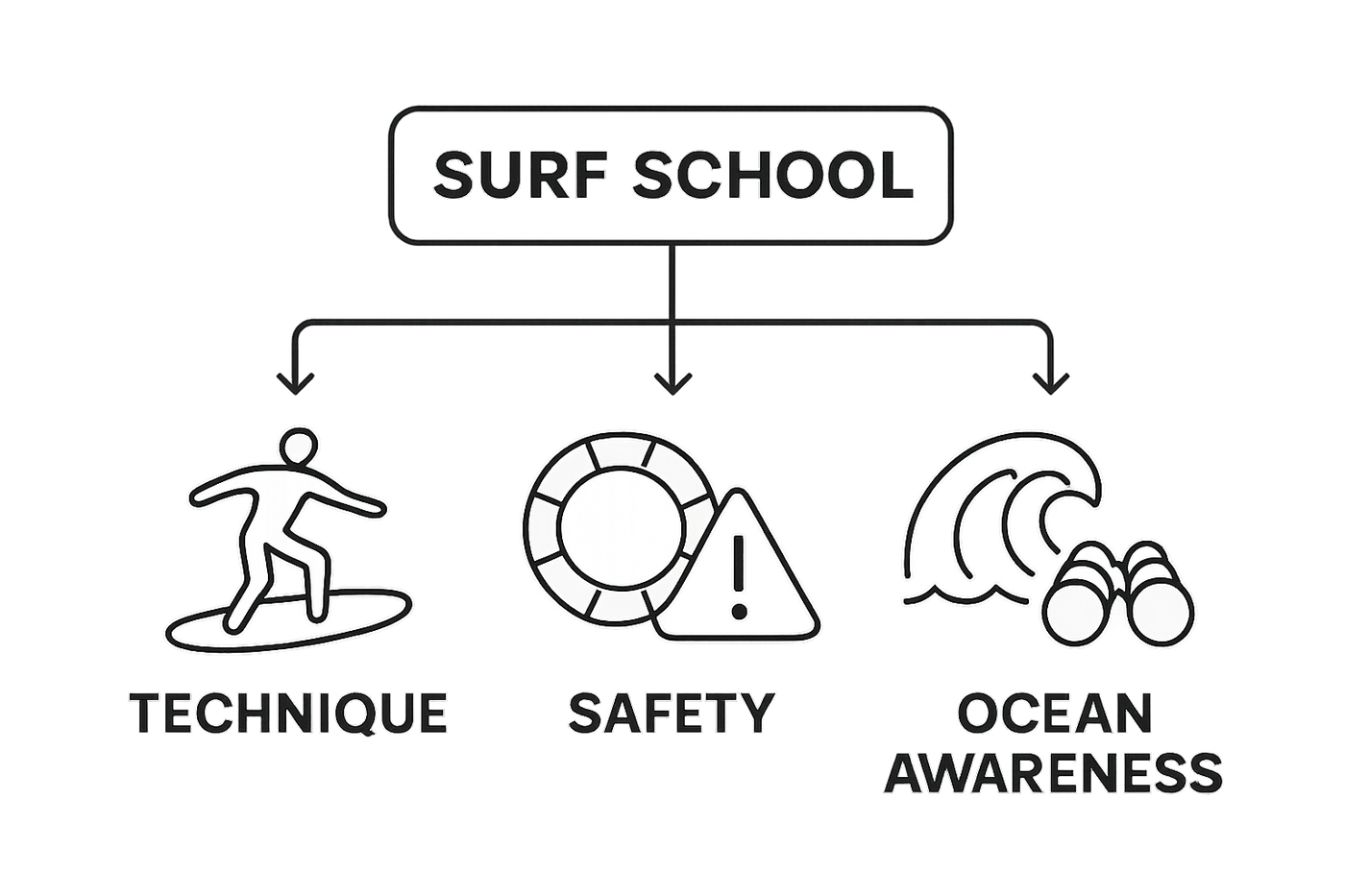
Professional surf schools typically focus on several critical learning objectives that extend beyond basic wave riding techniques
Below is a table summarizing the core components of professional surf instruction, providing a quick reference for the main learning objectives taught at surf schools.
| Component | Description |
|---|---|
| Surfing Techniques | Teaches fundamental movement, body positioning, and wave riding mechanics |
| Ocean Safety | Covers risk management, understanding currents, and personal safety procedures |
| Wave & Marine Environment Awareness | Instructs on reading wave patterns and understanding marine environmental conditions |
| Equipment Management | Focuses on selecting, using, and maintaining surfboards and necessary gear |
| Psychological Preparation | Builds confidence, mental discipline, and readiness for challenges in dynamic conditions |
 :
:
- Fundamental surfing techniques and body mechanics
- Ocean safety and risk management strategies
- Understanding wave patterns and marine environmental conditions
- Proper equipment selection and maintenance
- Psychological preparation and confidence building
The pedagogical approach in surf schools is designed to progressively build student skills through structured, personalized instruction. According to a study on youth surfing interventions, systematic surf education can contribute significantly to physical fitness, environmental awareness, and personal development.
Learning Environment and Instructor Expertise
Quality surf schools distinguish themselves through highly trained instructors who possess not just advanced surfing skills, but also robust teaching credentials. These professionals create safe, supportive learning environments that accommodate students with varying skill levels and learning styles. They emphasize practical demonstrations, hands-on practice, and continuous feedback to accelerate skill acquisition and build student confidence.
By providing structured, professional instruction, surf schools transform the potentially intimidating experience of learning to surf into an accessible, enjoyable, and transformative educational journey.
The Importance of Surf Schools for Beginners and Beyond
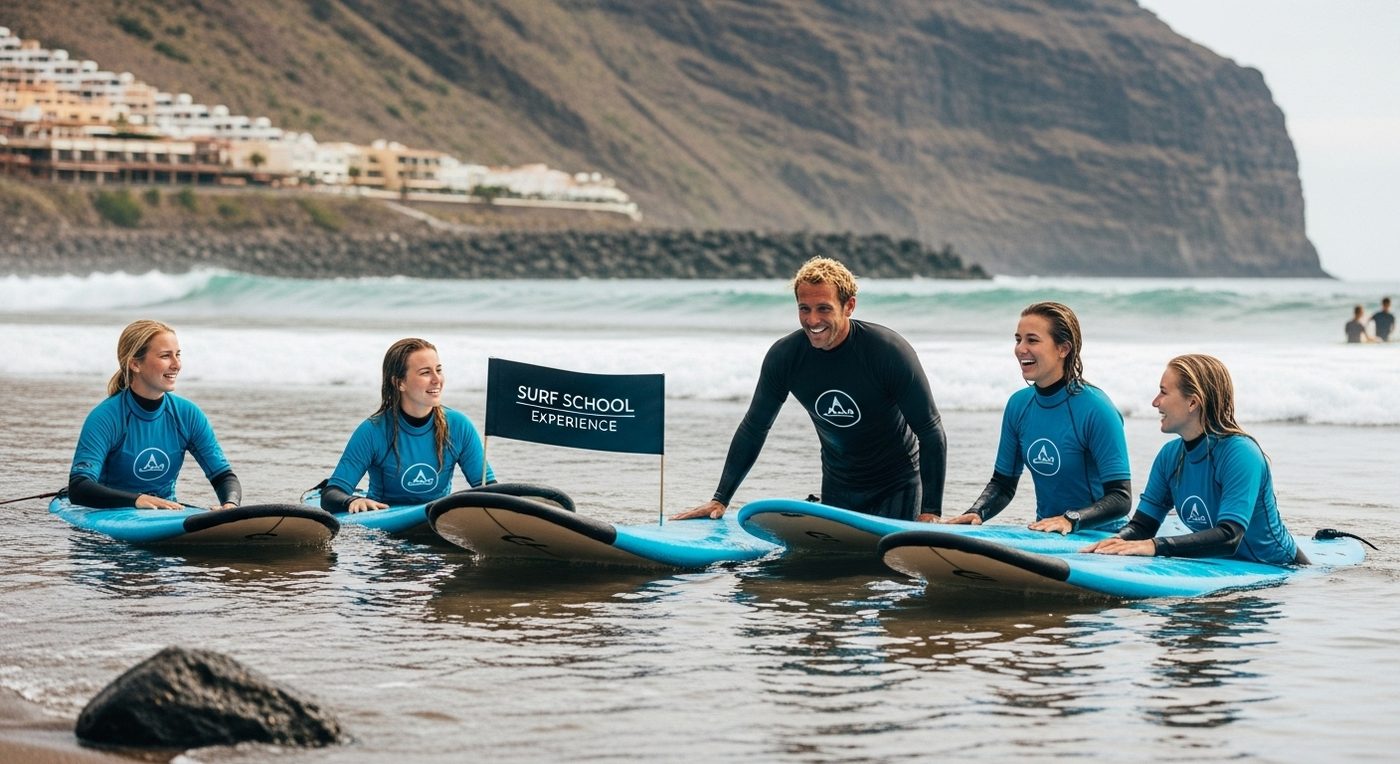
Surf schools play a transformative role in introducing individuals to surfing, offering far more than simple athletic instruction. They represent comprehensive learning platforms that support personal development, skill acquisition, and holistic ocean education across different skill levels and age groups.
Personal Growth and Skill Development
Beyond teaching wave riding techniques, surf schools serve as powerful environments for personal transformation. Research from Virginia Tech highlights how surf programs contribute significantly to participants’ psychological and social development. Key personal growth aspects include:
- Building self-confidence and resilience
- Developing physical coordination and body awareness
- Learning stress management through ocean interaction
- Enhancing problem solving skills in dynamic environments
- Cultivating mental discipline and focus
Safety and Professional Guidance
Professional surf schools prioritize student safety through structured, expert-led instruction. Certified instructors provide critical guidance that helps students understand complex ocean dynamics, read wave conditions, and develop essential survival skills. This professional approach dramatically reduces potential risks associated with independent learning, ensuring students gain comprehensive knowledge about marine environments and personal safety protocols.
Broader Educational and Environmental Impact
Surf schools extend their educational mission beyond individual skill development. According to ocean literacy research, participants progressively develop deeper understanding and appreciation for marine ecosystems. Students learn not just surfing techniques, but also gain insights into environmental conservation, marine biology, and sustainable interaction with natural environments.
By offering structured, professionally supervised learning experiences, surf schools transform surfing from a recreational activity into a comprehensive educational journey that nurtures physical skills, personal growth, and environmental consciousness.
How Surf Schools Function: Training and Education Methods
Surf schools employ sophisticated, structured methodologies that transform novice students into competent surfers through comprehensive, scientifically designed training programs. These educational approaches blend theoretical knowledge, practical skills, and progressive learning techniques tailored to individual student capabilities.
Structured Learning Progression
Professional surf schools implement a carefully designed curriculum that breaks down surfing into manageable, sequential learning stages. According to the International Surfing Association, this progression typically involves:
- Foundational land-based techniques and safety instruction
- Initial board handling and balance skills
- Wave selection and reading ocean conditions
- Advanced riding techniques and maneuver development
- Specialized skills for different wave types and environments
Students move through these stages incrementally, with instructors assessing individual progress and adapting instruction to meet specific learning needs. This approach ensures that students build confidence and competence systematically, reducing potential frustration and maximizing skill acquisition.
Comprehensive Instructional Approach
Surf school training extends far beyond simple physical technique. Instructors integrate multiple educational components that create a holistic learning experience. This comprehensive method includes technical instruction, safety protocols, environmental awareness, and psychological preparation. Certified instructors utilize a combination of:
- Practical demonstrations
- Theoretical explanations
- Video analysis
- Individual and group feedback sessions
- Personalized skill correction techniques
Technology and Modern Training Methods
Contemporary surf schools leverage advanced technological tools to enhance learning experiences. Video analysis, digital tracking of student progress, and specialized training equipment allow for more precise skill development. Instructors use sophisticated approaches that break down complex surfing movements into digestible components, enabling students to understand and replicate techniques with greater accuracy.
By combining professional expertise, structured curricula, and adaptive learning techniques, surf schools create transformative educational experiences that go well beyond traditional sports instruction.
Key Elements of a Surf School Experience
A comprehensive surf school experience transcends traditional athletic instruction, creating an immersive learning environment that integrates technical skills, personal development, and holistic ocean education. These programs are meticulously designed to provide students with a transformative journey that extends far beyond learning how to ride waves.
Personalized Learning and Assessment
Surf schools prioritize individualized instruction tailored to each student’s unique physical abilities, psychological readiness, and learning style. According to surf therapy research, this personalized approach supports multiple educational and therapeutic objectives. Key assessment components include:
- Initial skill level evaluation
- Physical fitness and mobility screening
- Learning style and psychological preparedness assessment
- Goal setting and progress tracking
- Adaptive instruction techniques
Instructors use sophisticated observation techniques to understand each student’s strengths, challenges, and potential, allowing for a customized learning pathway that maximizes individual potential and minimizes frustration.
Equipment and Environmental Integration
Quality surf schools provide comprehensive equipment management and environmental education. Students learn not just about surfboard selection and maintenance, but also develop a profound understanding of marine ecosystems, wave dynamics, and sustainable ocean interaction. This holistic approach transforms equipment instruction from technical training into an immersive educational experience that connects physical skills with environmental awareness.
Psychological and Social Learning Dimensions
Beyond physical techniques, surf schools create supportive learning communities that foster psychological growth and social connection. Group lessons and shared experiences help students build confidence, develop resilience, and create meaningful connections with fellow learners. Instructors serve as mentors who guide students through challenges, helping them develop mental strategies for overcoming obstacles both in surfing and in broader life contexts.
Through carefully structured programs that blend technical instruction, personal development, and community engagement, surf schools offer far more than simple sports training—they provide transformative educational experiences that empower individuals to connect with themselves, others, and the natural world.
The Social and Cultural Impact of Surf Schools in Tenerife
Surf schools in Tenerife represent more than recreational facilities. They serve as transformative social platforms that significantly influence local culture, community dynamics, youth development, and environmental consciousness. These institutions play a pivotal role in shaping social interactions, economic opportunities, and sustainable tourism practices within the region.
Community Engagement and Youth Development
In Tenerife, surf schools function as critical social infrastructure that provides constructive opportunities for local and visiting youth. Research on surf tourism’s socio-cultural impacts demonstrates how these institutions contribute to positive community outcomes by:
- Offering structured alternative recreational activities
- Promoting physical and mental health among young participants
- Creating pathways for skill development and potential professional opportunities
- Fostering cross-cultural interactions and understanding
- Reducing potential negative youth behavioral patterns
By providing a supportive environment that transcends traditional sports instruction, surf schools become powerful agents of social integration and personal growth.
Environmental Awareness and Sustainability
Surf schools in Tenerife play a crucial role in environmental education and conservation awareness. Instructors and programs inherently connect students with marine ecosystems, promoting a deeper understanding of environmental preservation. Students learn not just surfing techniques, but also develop a profound respect for oceanic environments, marine biodiversity, and sustainable interaction with natural resources.
Economic and Tourism Implications
The presence of professional surf schools significantly contributes to Tenerife’s tourism ecosystem. These institutions attract international visitors, create local employment opportunities, and diversify the region’s economic landscape. By offering high-quality, professionally structured surfing experiences, they transform surfing from a recreational activity into a sophisticated educational and cultural exchange platform.
Through their multifaceted approach, surf schools in Tenerife demonstrate that sports education can be a powerful tool for social development, environmental consciousness, and community transformation.
This comparison table organizes the educational, social, and environmental impacts of surf schools in Tenerife, highlighting their broader influence beyond sport-specific instruction.
| Area | Impact Description |
|---|---|
| Community | Provides positive youth opportunities, supports skill development, and encourages social integration |
| Environmental | Raises awareness of marine ecosystems, promotes conservation, and fosters respect for natural resources |
| Economic/Tourism | Attracts international visitors, generates local jobs, and supports Tenerife’s role as a sports-education hub |
| Personal Growth | Facilitates confidence, resilience, and personal development through structured, supportive learning experiences |
Ready to Experience Real Surf School Training in Tenerife?
Have you learned about the value of structured instruction, professional guidance, and safe ocean education from our article on surf schools? At Ika Ika Surf School Tenerife, we bring all these key elements directly to you. If you want a smooth transition from reading about the basics to gaining real-world skills, our programs focus on the exact pain points mentioned in the article. You will benefit from personalized instruction, expert safety guidance, and a supportive environment that builds your confidence and ocean knowledge—step by step.
Make your next surf lesson more than just a ride on the waves. Discover our variety of surf courses and lessons where trained instructors teach techniques and ocean awareness as outlined in our educational content. Located just 50 meters from Playa de las Américas, we offer equipment rentals and amenities that let you learn without hassle. Visit Ika Ika Surf School Tenerife to book your session today. Start your journey toward becoming a confident surfer now—availability fills up fast and your next learning breakthrough is just one click away.
Frequently Asked Questions
What is a surf school?
A surf school is a specialized educational environment that teaches individuals the fundamental skills, techniques, and safety protocols associated with surfing, incorporating both physical technique and broader ocean knowledge.
What can beginners expect to learn at a surf school?
Beginners can expect to learn essential surfing techniques, ocean safety, equipment management, and how to read wave conditions, gradually building their skills under the guidance of professional instructors.
How do surf schools ensure student safety?
Professional surf schools prioritize student safety by employing certified instructors who provide expert guidance on ocean dynamics and environmental conditions, ensuring students understand the risks and safety protocols involved in surfing.
Are surf schools suitable for all age groups?
Yes, surf schools cater to various skill levels and age groups, offering tailored instruction that accommodates individual learning styles and physical capabilities, making surfing accessible for everyone.
Recommended
- Understanding What is a Beginner Surf Class | Ika Ika Surf School Tenerife
- Understanding Surfboard Rental Tips for Every Level | Ika Ika Surf School Tenerife
- Surfing down to the last detail | Ika Ika Surf School Tenerife
- Why Choose Surf Lessons in Tenerife: Understanding the Benefits | Ika Ika Surf School Tenerife
🏄 See you in the water?
Book your lesson →