
Understanding What is Paddling in Surfing for Everyone
Published on 25 September 2025 · 9 min read
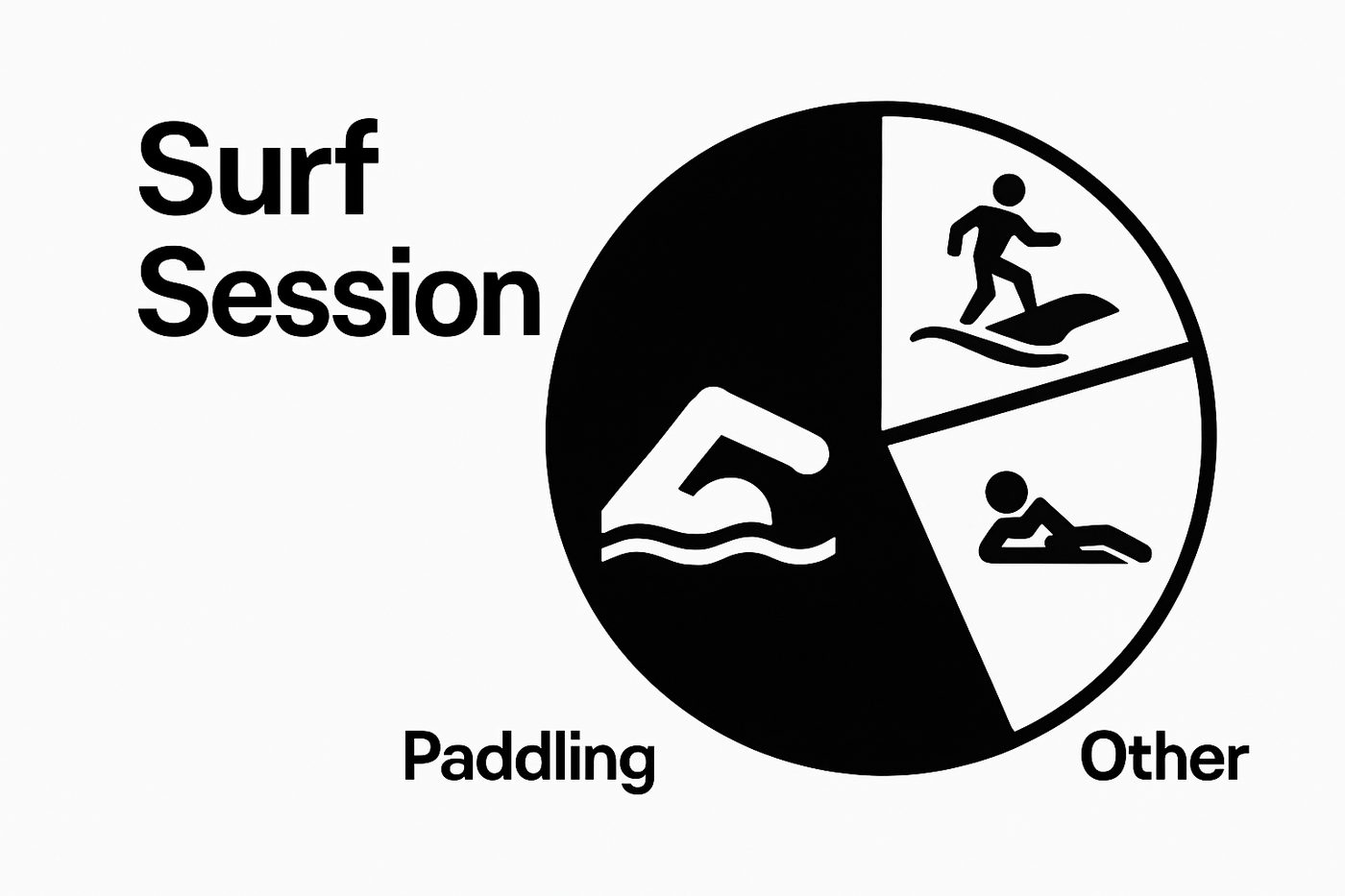
Paddling connects every surfer to the ocean and forms the backbone of every surf session. Some assume riding waves is the real challenge, but the real numbers paint a different picture. Paddling takes up to 54 percent of a surfing session, making it the single most important skill in surfing. That means improving your time in the water has less to do with fancy tricks and a lot more to do with mastering what happens before you even catch a wave.
Table of Contents
- What Is Paddling And Its Role In Surfing?
- Why Paddling Is Essential For Surfers Of All Levels
- How Paddling Works: Techniques And Mechanics
- Key Concepts Of Paddling: Balance, Timing, And Strength
Quick Summary
| Takeaway | Explanation |
|---|---|
| Paddling is essential for all surfers. | It serves as a foundational skill that connects surfers with the ocean and impacts performance. |
| Master body positioning to reduce resistance. | Lying correctly on the board with a streamlined body minimizes drag and maximizes speed. |
| Focus on balanced, rhythmic strokes. | Alternating arm strokes and maintaining balance improve momentum and energy efficiency during paddling. |
| Develop upper body strength for effective paddling. | Targeted muscle training enhances the power and coordination needed for efficient strokes. |
| Learn to read waves for optimal positioning. | Understanding ocean dynamics aids in selecting the right waves and improving overall surfing technique. |
To clarify the distinctive components and mechanics of effective surf paddling, the following table summarizes the major features involved and their impact on a surfer’s performance.
| Feature | Description | Impact on Surfing |
|---|---|---|
| Body Positioning | Lying prone on the board with chest pressed against it; balanced weight distribution | Reduces drag, improves balance |
| Alternating Arm Strokes | Using one arm at a time to pull through the water in a controlled rhythm | Propels surfer forward efficiently |
| Raised Legs | Keeping legs slightly elevated off the board to minimize drag | Increases paddling speed |
| Rhythm and Timing | Maintaining consistent, rhythmic paddle motion | Conserves energy, builds momentum |
| Upper Body Strength | Engaging shoulders, back, and arms for each stroke | Enables longer, more powerful paddling |
| Core Muscle Engagement | Activating abdominal and lower back muscles for stability | Supports board balance and control |
| Wave Reading | Observing and interpreting ocean patterns to position correctly | Improves wave-catching opportunities |
What is Paddling and Its Role in Surfing?
Paddling is the fundamental movement that connects surfers to the ocean, serving as the essential bridge between being on the shore and riding waves. It represents the initial technique every surfer must master, involving propelling oneself through water using coordinated arm movements while lying horizontally on a surfboard.
The Physical Mechanics of Surfing Paddling
Surfing paddling requires precise body positioning and strategic arm movements. Surfers lie prone on their surfboards, using alternating arm strokes to generate forward momentum. According to research in Scientific Reports, these paddling cycles can significantly impact a surfer’s energy expenditure and overall performance.
The core paddling technique involves several critical elements:
- Maintaining a streamlined body position with chest pressed against the board
- Extending arms fully during each stroke
- Keeping legs slightly raised to reduce water resistance
- Developing consistent rhythmic arm movements
Strategic Importance in Wave Catching
Paddling is more than just transportation across water. It represents a surfer’s primary method of positioning themselves to catch waves effectively. Skilled paddlers can read ocean conditions, move quickly into optimal wave catching positions, and conserve energy during extended surf sessions.
For beginners looking to improve their surfing skills, understanding the surfing workflow can provide additional insights into mastering fundamental techniques like efficient paddling.
Proper paddling not only determines wave selection but also influences a surfer’s ability to maintain balance and generate speed when transitioning from paddling to standing on the board.
Why Paddling is Essential for Surfers of All Levels
Paddling is not merely a transportation technique but a critical skill that defines a surfer’s competence and survival in the water. It serves as the foundational movement that connects surfers with the dynamic ocean environment, requiring strength, technique, and strategic understanding.
Physical Endurance and Performance
According to research published in the International Journal of Environmental Research and Public Health, paddling represents up to 54% of total surfing session time. This significant percentage underscores its importance in developing physical endurance and overall surfing performance.
 Surfers who master efficient paddling techniques can:
- Conserve energy during extended surf sessions
- Reduce muscle fatigue and potential injury risks
- Maintain consistent momentum across water surfaces
- Quickly respond to changing wave conditions
Strategic Wave Navigation and Safety
Beyond physical requirements, paddling represents a surfer’s primary navigation tool. Skilled paddlers can read ocean dynamics, quickly position themselves for optimal wave catching, and swiftly maneuver away from potential hazards. Understanding why learning surfing involves more than just riding waves can help beginners appreciate the nuanced skills required for safe and enjoyable surfing experiences.
Effective paddling enables surfers to assess wave patterns, select appropriate waves, and execute smooth transitions between prone and standing positions. This skill becomes increasingly crucial as surfers progress from beginner to intermediate levels, transforming paddling from a basic movement to an art form that requires continuous refinement and practice.
To provide a quick reference for how paddling contributes to both navigation and safety, the table below outlines the key roles it plays in the surfing experience for all levels.
| Role | How Paddling Contributes |
|---|---|
| Transportation | Moves surfer from shore to wave zones |
| Wave Positioning | Enables quick adjustment to optimal takeoff spots |
| Energy Conservation | Efficient technique reduces fatigue over long sessions |
| Hazard Avoidance | Allows fast maneuvering away from dangers |
| Smooth Transition to Standing | Facilitates shifting from paddling to riding waves |
| Adapting to Changing Conditions | Helps respond to new wave patterns and ocean shifts |
| Safety and Survival | Essential for escaping strong currents and rip tides |
How Paddling Works: Techniques and Mechanics
Paddling in surfing represents a complex biomechanical movement that requires precise coordination, muscle engagement, and strategic body positioning. Understanding the underlying mechanics transforms paddling from a simple propulsion technique into a sophisticated skill that demands practice and technical refinement.
Body Positioning and Alignment
The foundation of effective paddling begins with optimal body alignment on the surfboard. Surfers must position themselves with their chest pressed against the board’s center, creating a balanced and streamlined profile that minimizes water resistance. According to research analyzing surfboard paddling techniques, proper positioning determines energy efficiency and stroke effectiveness.
Key elements of correct body positioning include:
- Centering body weight precisely on the board’s midpoint
- Maintaining a horizontal plane parallel to the water surface
- Keeping head slightly raised to observe wave conditions
- Distributing weight evenly to prevent board tilting
Stroke Mechanics and Muscle Engagement
Paddling involves a complex interplay of upper body muscle groups, primarily engaging the shoulders, back, and arms. Each paddle stroke requires synchronized movements that generate forward momentum while conserving energy. Alternating arm strokes create a rhythmic propulsion mechanism that allows surfers to navigate through water efficiently.
For beginners seeking to enhance their technical skills, understanding the complete surfing workflow can provide comprehensive insights into developing proper paddling techniques. Effective paddling demands not just strength, but also precision, timing, and an intuitive understanding of water dynamics.
Key Concepts of Paddling: Balance, Timing, and Strength
Mastering surfing paddling demands a sophisticated integration of physical skills and neurological coordination. These key concepts transform paddling from a basic movement into a nuanced performance that separates novice surfers from experienced wave riders.
Balance: The Foundation of Efficient Paddling
Balance represents the critical cornerstone of effective paddling technique. Surfers must maintain precise body equilibrium across a narrow, unstable surface while generating forward momentum. According to research in Sports Medicine – Open, successful paddling requires continuous micro-adjustments that engage core muscle groups and maintain board stability.
Essential balance components include:
- Distributing body weight evenly across the surfboard
- Minimizing lateral board movement
- Maintaining a horizontal plane despite water surface variations
- Developing proprioceptive awareness of board dynamics
Strength and Muscular Coordination
Paddling demands a complex network of muscular engagement, primarily recruiting upper body muscle groups. Targeted strength development focuses on shoulders, back, and arm muscles that generate consistent propulsive force. The most effective paddlers understand that strength is not about raw power, but about efficient, coordinated muscle recruitment.
For those eager to improve their foundational skills, understanding the complete surfing workflow provides comprehensive insights into developing a holistic approach to surfing technique. The goal is creating a seamless, energy-conserving movement that allows surfers to navigate ocean conditions with minimal fatigue.
Ready to Transform Your Surf Paddling Into Real Progress?
Struggling to master paddling and feeling frustrated every time you tire out before catching the best waves? Many surfers find efficient paddling difficult, whether it is finding balance on the board, coordinating arm movements, or reading ocean conditions to get into perfect position. All these challenges can turn an exciting day in the water into a struggle. The good news is you do not have to work through these obstacles alone. At Ika Ika Surf School Tenerife, we focus on techniques like paddling, balance, and wave reading right on one of the best beaches in Tenerife.

If you want personal feedback and real-life solutions to your paddling setbacks, join us for a beginner-friendly surf lesson or advanced session. You will practice new paddling skills, benefit from expert coaching, and experience top-notch facilities—just 50 meters from the surf. Book your session today at Ika Ika Surf School Tenerife and get closer to smooth, effortless paddling. Spots fill up quickly for the upcoming season—secure yours now and feel the difference after just one lesson.
Frequently Asked Questions
What is paddling in surfing?
Paddling in surfing is the technique used by surfers to propel themselves through the water while lying on their surfboards, enabling them to reach the desired position for catching waves.
Why is paddling important for surfers?
Paddling is essential as it not only helps surfers navigate the ocean but also serves as the primary method for positioning themselves to catch waves effectively and maintain balance while riding.
What are the key techniques for effective paddling?
Effective paddling techniques include maintaining a streamlined body position, using alternating arm strokes for propulsion, raising the legs slightly to reduce drag, and developing a consistent paddling rhythm.
How does paddling impact a surfer’s performance?
Paddling significantly influences a surfer’s performance by affecting energy expenditure, allowing for quicker wave positioning, and facilitating smoother transitions from prone to standing positions, ultimately enhancing the surfing experience.
Recommended
- Master Your Surfing Workflow for Beginners Easily | Ika Ika Surf School Tenerife
- How to Stand Up on a Surfboard: A Beginner’s Guide | Ika Ika Surf School Tenerife
- Understanding Why Learn Surfing: Waves and Wellness | Ika Ika Surf School Tenerife
- How to Catch Your First Wave: A Beginner’s Guide | Ika Ika Surf School Tenerife
🏄 See you in the water?
Book your lesson →